Ethereum basics
How to read an Ethereum transaction
Use the transaction hash to find the sender, recipient, status, and fee in a block explorer.
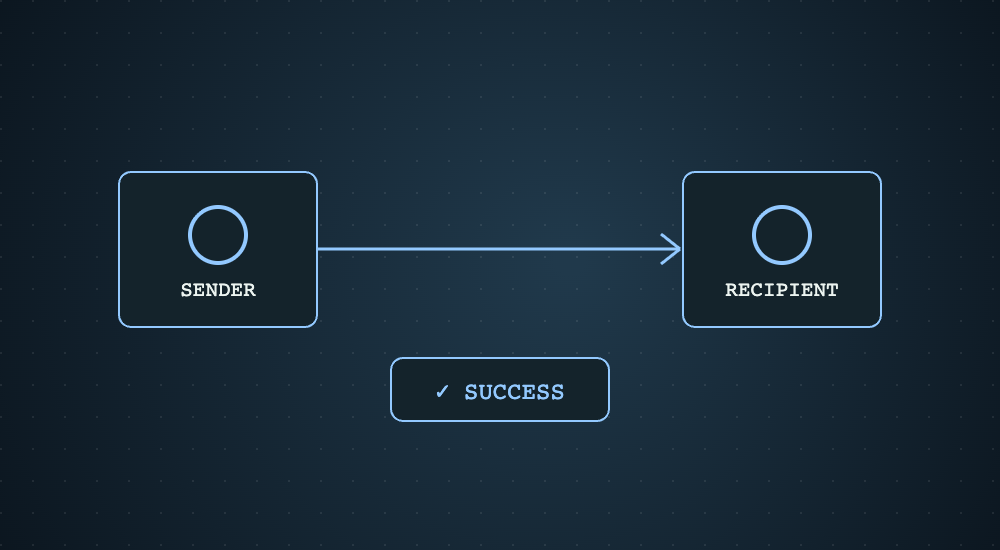
A wallet shows an outgoing payment, but the recipient asks for proof. The most useful reference is the transaction hash. It identifies a particular signed transaction. An address, by comparison, can appear in thousands of transactions.
Start with the network and status
Open an explorer for the network where the wallet submitted the transaction. Search for the full hash. A pending transaction is waiting for inclusion. Once the explorer lists a block, inspect the execution status to see whether the transaction succeeded.
Follow the value
For a simple ETH payment, compare the sender, destination and value with the intended payment. For a token transfer, the destination of the transaction may be a token contract. Check the token transfer records for the recipient, token contract and quantity. A zero in the native ETH value field can coexist with a successful token transfer.
Keep a useful receipt
Save the network name and transaction hash together. Record the asset and amount separately from the network fee. This gives someone checking the payment enough information to locate the same record and reproduce your reading.
Further reading: Ethereum documentation on transactions.